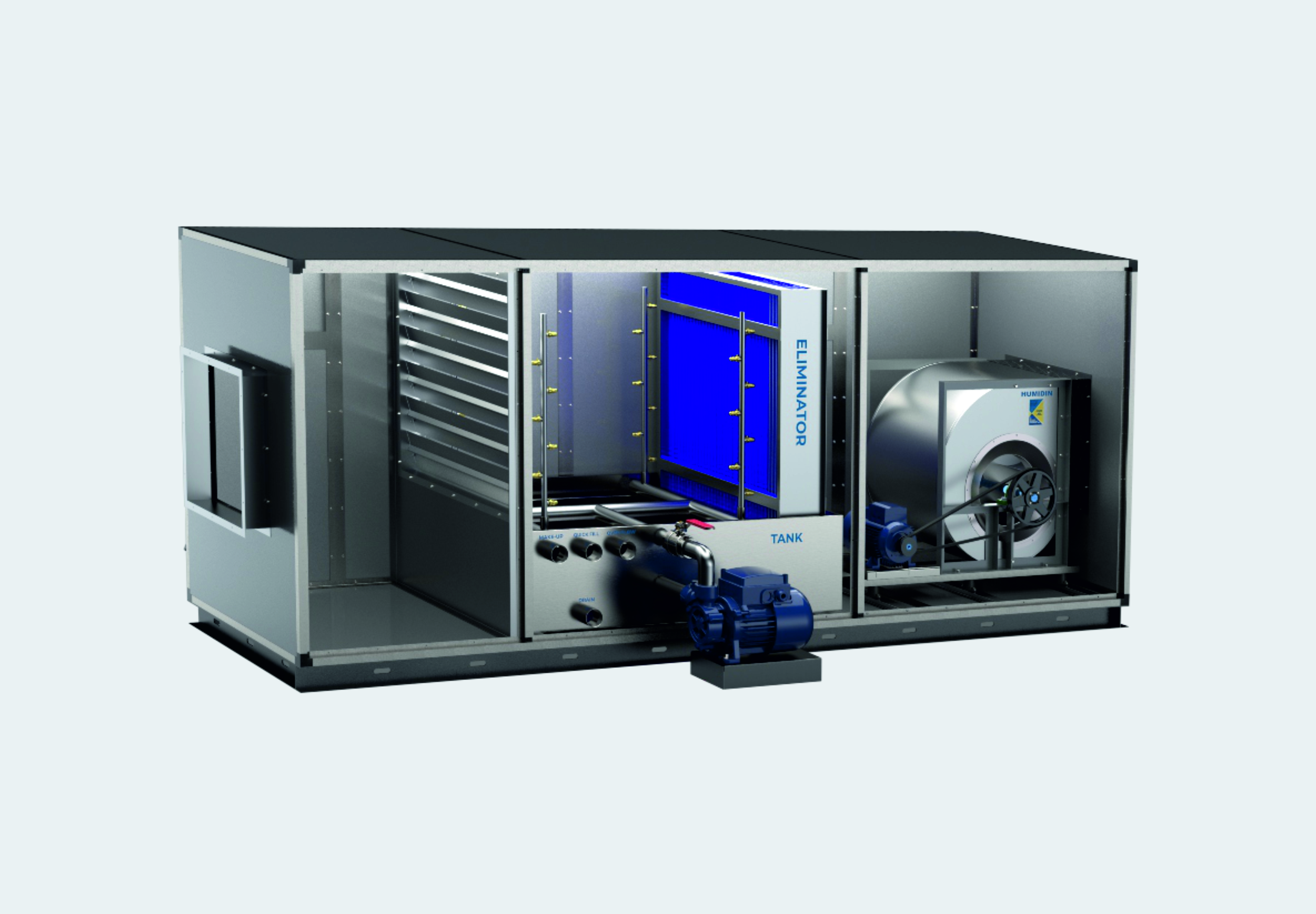
WET SCRUBBER - TECHNICAL SPECIFICATION
1. Equipment Name - Wet Scrubber
2. Equipment Type - Spray Tower / Packed Bed Scrubber
3. Application - Air Pollution Control
4. Function - Removal of dust, fumes, and selected gaseous pollutants
5. Construction Material - MS, FRP, PP, SS304, or SS316, depending on the application
6. Gas Flow Rate - As per system design (m³/hr)
7. Operating Temperature - As per process requirements (°C)
8. Scrubbing Medium - Water or suitable chemical solution
9. Spray Nozzles - PP, SS, or other corrosion-resistant material
10. Mist Eliminator - PP, FRP, or other suitable material
11. Liquid Circulation Pump - As per required flow rate and pressure
12. Pressure Drop - As per scrubber design (mmWC)
13. Liquid-to-Gas Ratio - As per process design
14. Exhaust Fan - As per required airflow and system pressure drop
15. Drainage System - Bottom drain with sludge removal arrangement
16. Control System - Manual or automatic
17. Installation - Indoor or outdoor, as required
WET SCRUBBER - DESCRIPTION
A Wet Scrubber is an air pollution control device used to remove dust particles, fumes, and certain gaseous pollutants from industrial exhaust gases by bringing the contaminated gas into contact with a scrubbing liquid, usually water. It is widely used in industries to control air pollution and improve air quality.
WORKING PRINCIPLE
1. Dust-laden or polluted gas enters the wet scrubber.
2. Water or scrubbing liquid is sprayed through nozzles inside the scrubber.
3. The liquid comes into contact with the polluted gas and captures dust particles and other pollutants.
4. The contaminated liquid flows down and collects in the bottom tank or sump.
5. A mist eliminator removes water droplets from the cleaned gas.
6. The treated gas exits through the outlet and is discharged through the exhaust system.